Become a Part of the SAVE Family
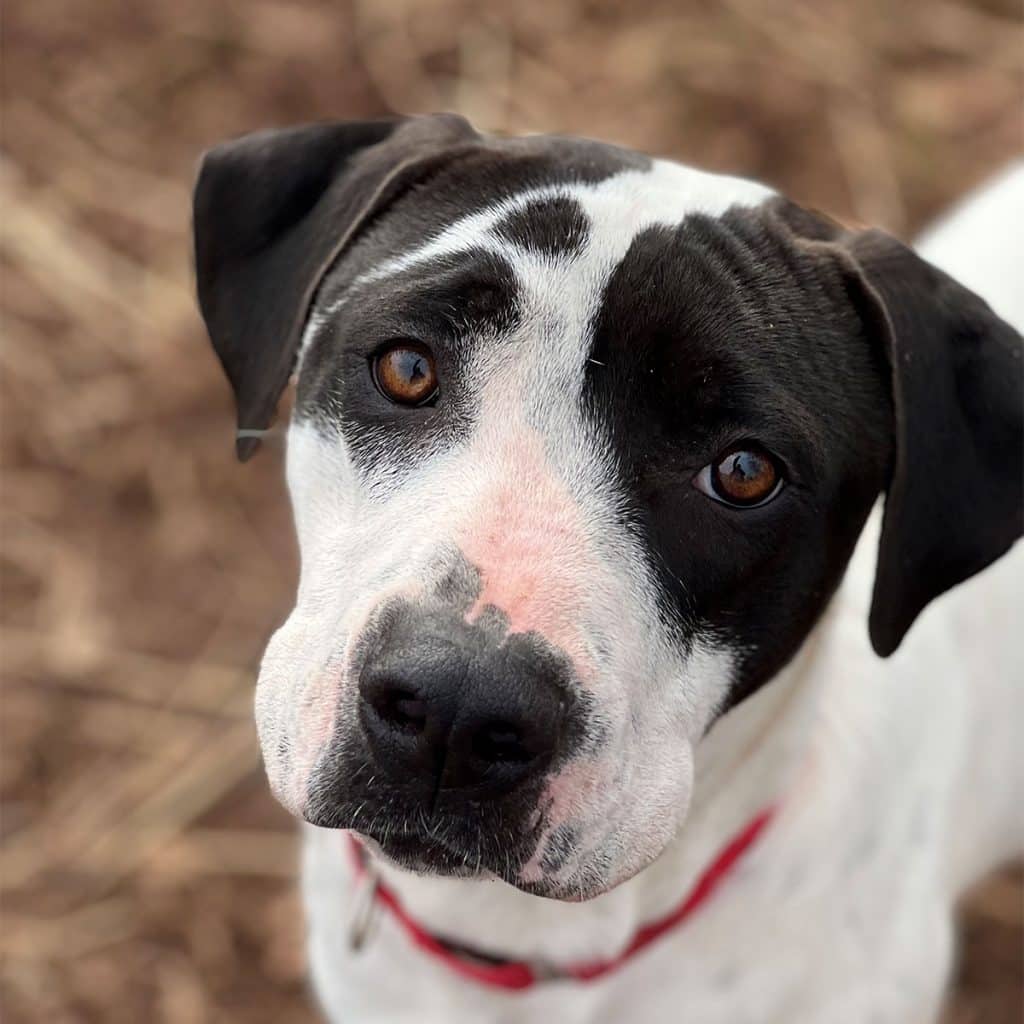
Adopt a Dog
View all of our adoptable dogs and puppies. Your new family member is waiting for you.
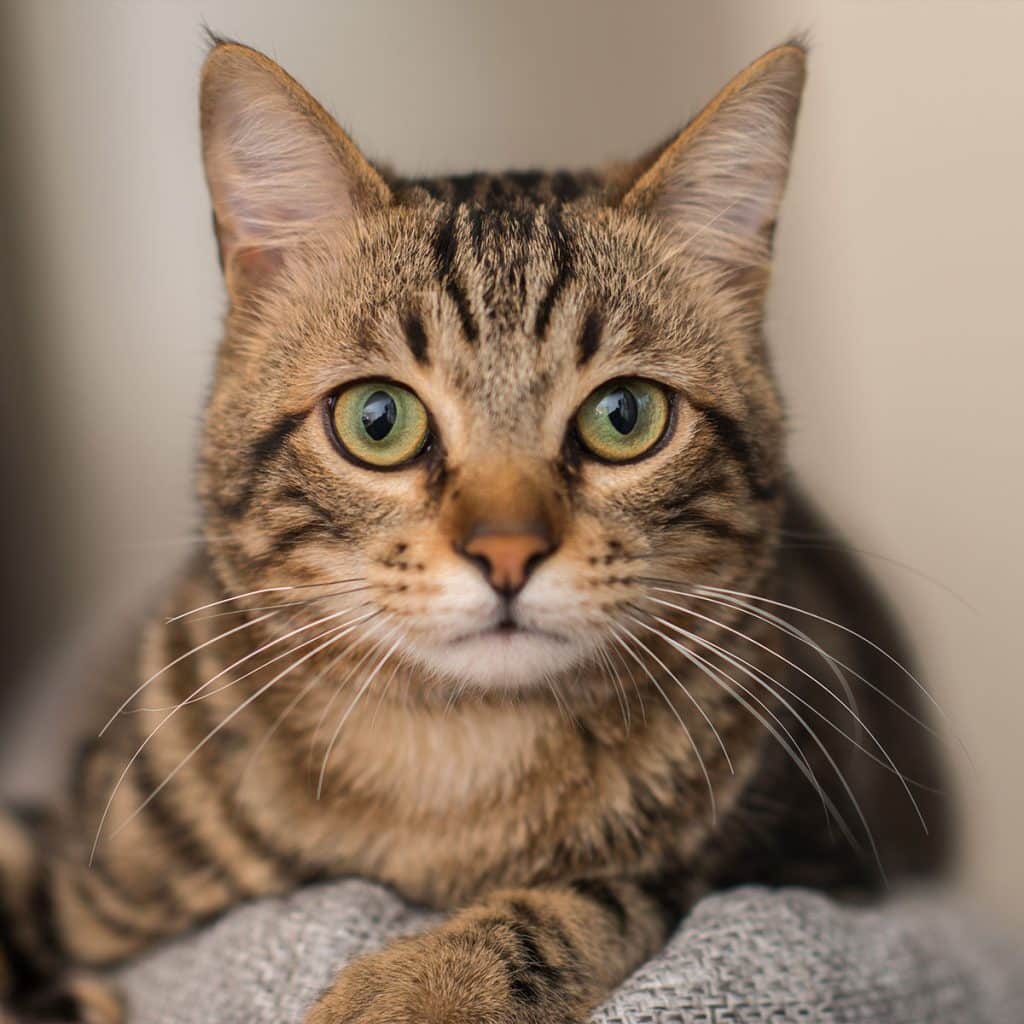
Adopt a Cat
View all of our adoptable cats and kittens. Your new family member is waiting for you.
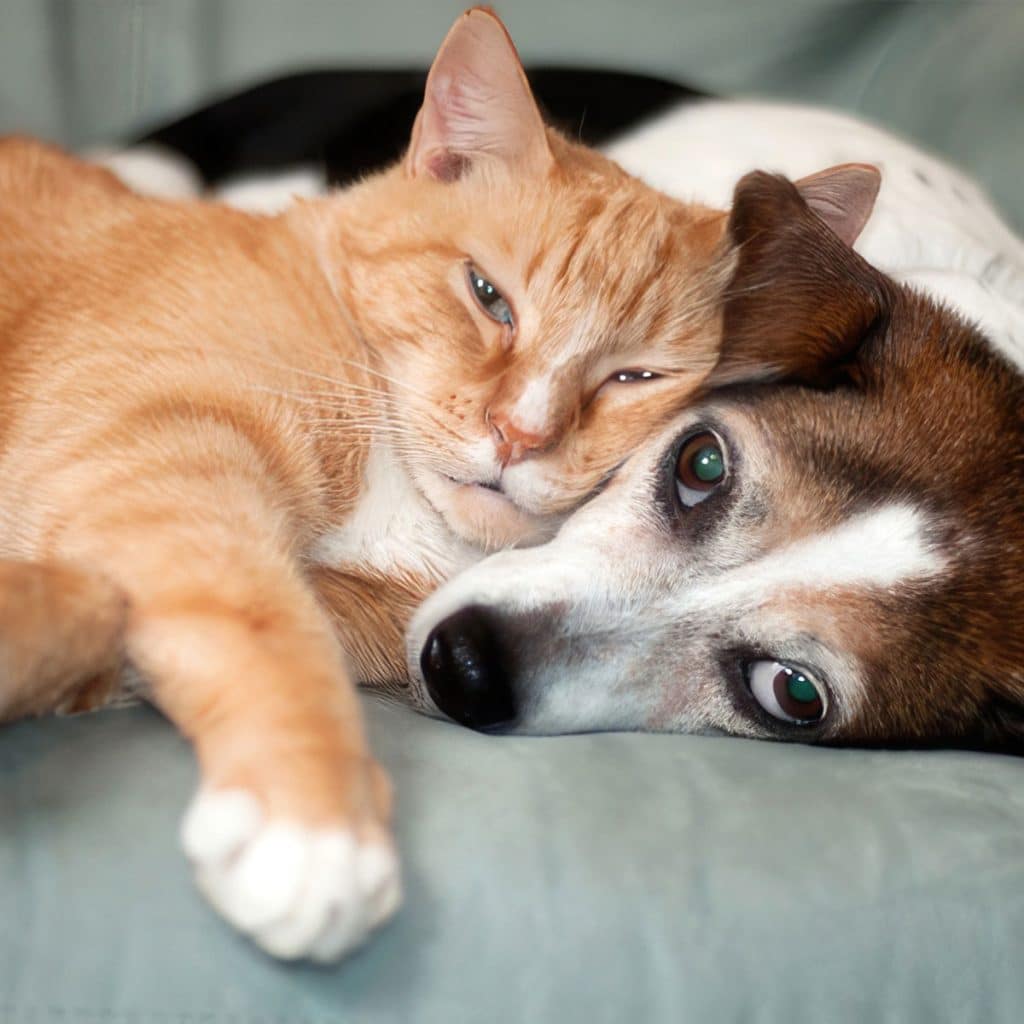
Foster
You can make a difference. Become a foster parent.
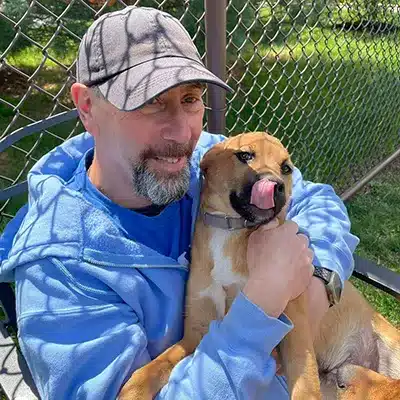
Volunteer
Get ready to make your life better and add joy to the life of a shelter pet.
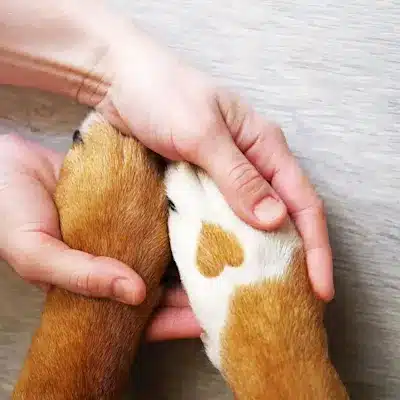
Donate
Make a life-saving and life-changing difference in the lives of homeless pets TODAY!
Thank You to our Wonderful Sponsors
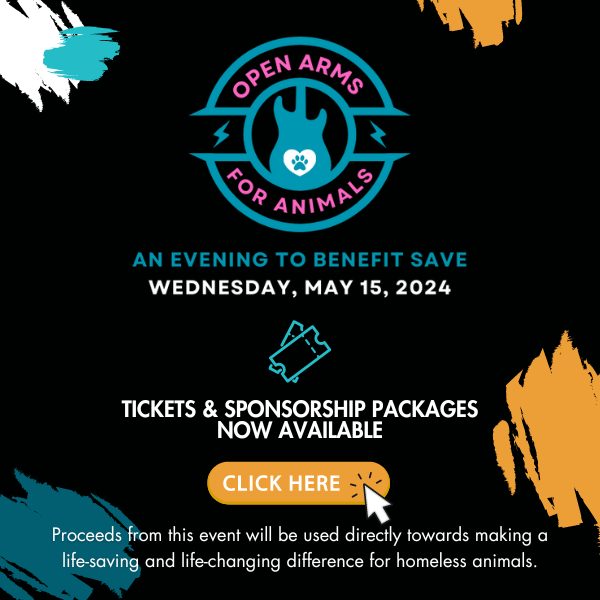
for their generous support of Open Arms for Animals: An Evening to Benefit SAVE.
100% of the proceeds from this event will be used directly towards making a life-saving and life-changing difference in the lives of the homeless animals entering our shelter this year.
*Sponsor listing as of 4/12/24
PRESENTING SPONSOR

GOLD SPONSOR
SILVER SPONSOR
BRONZE SPONSOR
Anonymous
Anonymous
Lisa & Sky Morehouse
Jeff & Barbara Behm




Susan Feeney

Pat & Corali Fetaya
Janet Haring
Highbar Boutique
The Ng-Tungkasiri Family
Princeton Orthopaedic Associates
Mary Rabbitt & David Mackie
Paul Ressler
GOLD SPONSOR
Anonymous
Anonymous
Lisa & Sky Morehouse
Jeff & Barbara Behm
SILVER SPONSOR
Susan Feeney
BRONZE SPONSOR
Pat & Corali Fetaya
Janet Haring
Highbar Boutique
The Ng-Tungkasiri Family
Princeton Orthopaedic Associates
Mary Rabbitt & David Mackie
Paul Ressler
COPPER SPONSOR
Meisenbacher Homes
Sitework Estimating Consultants